
SWIR Cameras Guide: Short-Wave Infrared Imaging, Applications, and Product Selection
This guide is the central gateway to Pembroke Instruments’ SWIR camera resources. Use it to move quickly from SWIR fundamentals to practical product selection, application examples, optics, calibration, microscopy, hyperspectral imaging, and engineering support.
Short-wave infrared cameras help engineers and researchers see material contrast, silicon transparency, laser illumination, moisture absorption, and spectral differences that visible cameras cannot capture. Start below with the path that best matches your project.
New Resource: Published Research Using SWIR Cameras
Explore peer-reviewed publications and technical papers showing how SWIR cameras are used in biomedical imaging, semiconductor inspection, hyperspectral imaging, photonics, machine vision, and scientific research.
Choose the Right SWIR Resource Path
Different visitors need different starting points. Product buyers usually want camera options and specifications. Application engineers need optics, illumination, calibration, software, and integration guidance. Researchers may need physics, wavelength behavior, hyperspectral imaging, or microscopy resources.
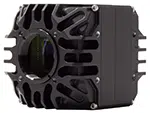
1. Product Selection
Start here when you need to compare SWIR cameras, InGaAs sensors, extended-SWIR options, microscope configurations, or accessories.
- Resolution, wavelength range, cooling, frame rate, and interface
- Lens, filter, illumination, and mounting requirements
- Scientific, machine vision, OEM, and hyperspectral configurations
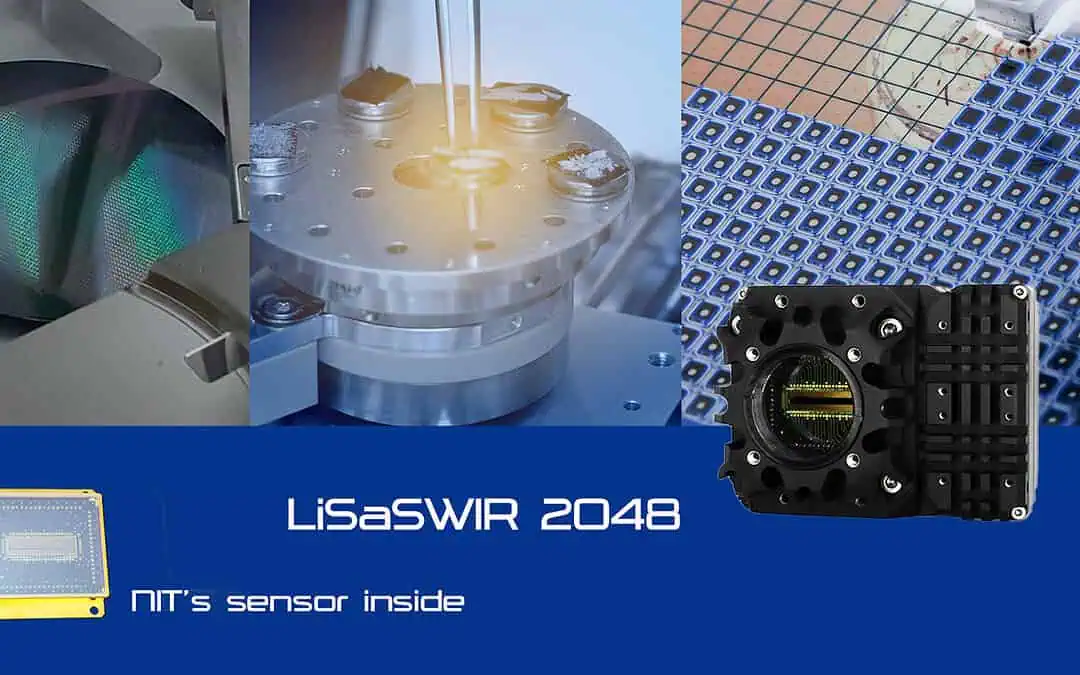
2. Applications
Use the application pages to see where SWIR imaging creates contrast and solves inspection problems that visible cameras miss.
- Semiconductor wafer inspection and silicon imaging
- Laser profiling, machine vision, moisture detection, and material sorting
- Defense, surveillance, microscopy, and research imaging
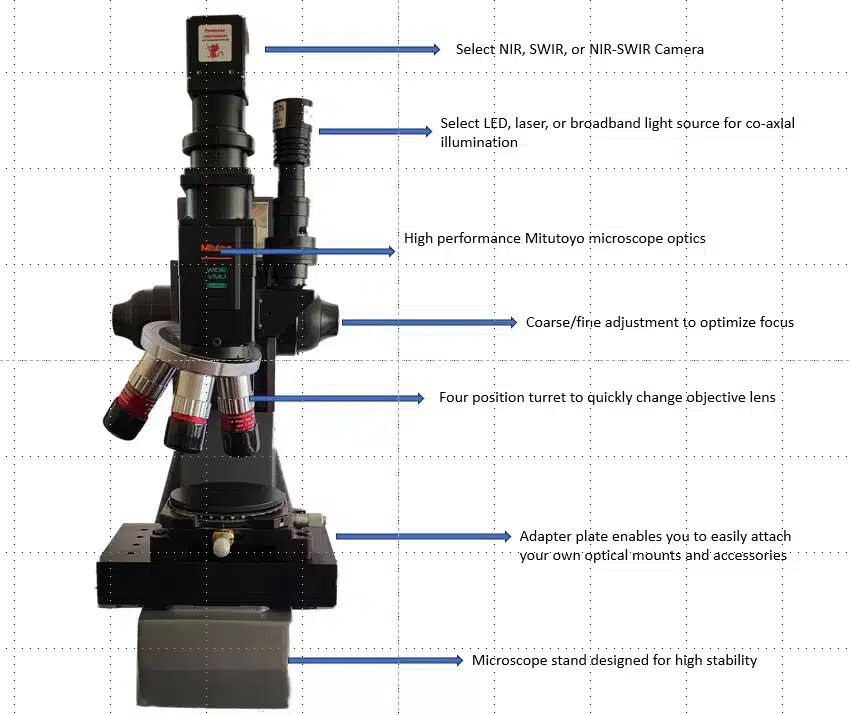
3. Engineering Resources
Use the technical resources when you need to design a complete SWIR imaging system rather than choose a camera alone.
- SWIR physics, detector behavior, optics, and system design
- Calibration, triggering, data handling, and image processing
- Microscope and hyperspectral system integration
Featured SWIR Resource Pages
These are the core pages in the SWIR Resources section. Together they create a complete learning path from fundamentals to product selection, optics, calibration, microscopy, and application engineering.
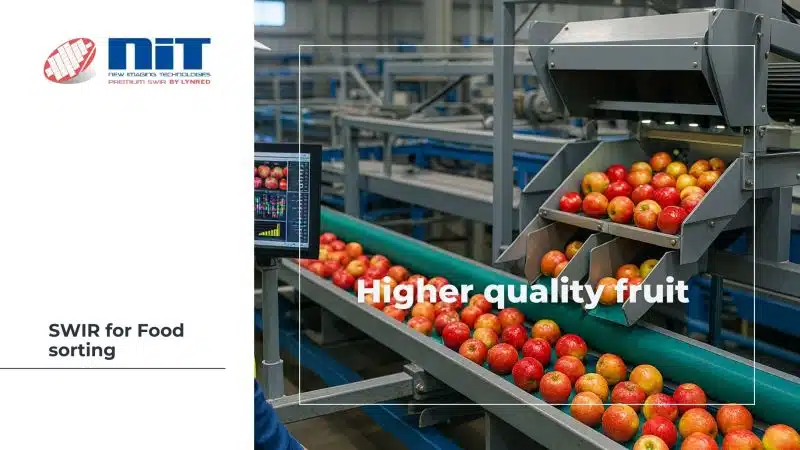
Why Use SWIR?
See the top industrial, defense, and research uses of SWIR cameras, including semiconductor inspection, laser imaging, material sorting, moisture detection, and low-light imaging.
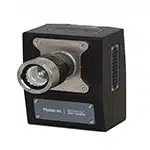
How to Select a SWIR Camera
Match wavelength range, sensor format, frame rate, cooling, optics, software, and integration needs to the right SWIR camera family.

The Physics of SWIR
Understand how SWIR light interacts with silicon, water, polymers, coatings, minerals, biological samples, and other materials.
SWIR Optics and Design
Review lens materials, coatings, field of view, working distance, filters, illumination, and telecentric design considerations for SWIR systems.

Integration, Calibration, and Processing
Move from raw SWIR sensor output to reliable images using dark correction, flat-field correction, triggering, interfaces, and software workflows.
SWIR vs. Thermal Microscopy
Compare reflected/transmitted SWIR microscopy with emitted LWIR thermal microscopy for semiconductor, electronics, materials, and research applications.
Need a SWIR Camera, SWIR Microscope, or Complete Imaging System?
Pembroke Instruments helps match SWIR cameras, lenses, filters, illumination, calibration approach, software, and mounting hardware to the actual measurement task. Use the product links below when you are ready to compare systems.
SWIR Applications Hub
The best SWIR camera choice depends on what you need to see. Use these application paths to connect your use case to the right camera architecture, optics, wavelength range, illumination, and integration workflow.
Semiconductor, Silicon, and Electronics
SWIR cameras can reveal through-silicon structures, wafer defects, bonded interfaces, package features, and materials that are difficult or impossible to inspect with visible imaging.
Machine Vision and Industrial Inspection
SWIR imaging supports sorting, process monitoring, robotic inspection, moisture detection, coating analysis, and machine vision tasks where visible contrast is insufficient.
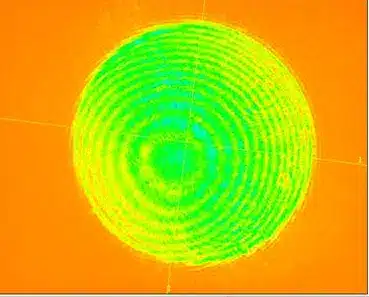
Laser Imaging, Alignment, and Beam Profiling
SWIR cameras can image many laser wavelengths invisible to silicon cameras. Exposure control, attenuation, wavelength sensitivity, and saturation behavior should be selected carefully.
Hyperspectral and Material Analysis
SWIR hyperspectral systems add wavelength-resolved data for material identification, polymer inspection, mineral analysis, chemical mapping, moisture detection, and research imaging.

Haze, Fog, Smoke, and Long-Range Imaging
SWIR can improve contrast in selected degraded visual environments and can support surveillance, transportation, maritime observation, and industrial monitoring.
Moisture Detection and Wet-versus-Dry Inspection
Water absorption in SWIR can make moisture differences visible in food, packaging, coatings, paper, textiles, wood, and process monitoring applications.
Related Product and Resource Pages
Many imaging projects combine SWIR with other camera or spectroscopy technologies. These links help users compare SWIR with thermal imaging, hyperspectral imaging, CCD/sCMOS scientific cameras, and spectroscopy tools.
Related Imaging Products
Use these pages when SWIR is part of a broader imaging or spectroscopy decision.
Thermal and Infrared Comparison Resources
Use these pages when you need to decide between reflected SWIR imaging and emitted thermal infrared measurement.
Get Help Selecting a SWIR Imaging System
Tell us your wavelength range, target material, field of view, working distance, resolution target, frame-rate requirement, software environment, and integration constraints. Pembroke Instruments can help identify the right SWIR camera, optics, illumination, filters, and acquisition workflow.


