
Find the Right Hyperspectral Imaging System for Your Application
Pembroke Instruments helps engineers, researchers, and system integrators select hyperspectral imaging cameras for material identification, SWIR spectral imaging, food and agriculture inspection, semiconductor inspection, geology, recycling, biomedical research, and industrial machine vision.
Tell us your application. We will help specify:
- Wavelength range: VNIR, NIR, SWIR, or extended SWIR
- Camera architecture: snapshot, pushbroom, line-scan, or benchtop system
- Optics, illumination, sample motion, field of view, and software workflow
- Best-fit product options and datasheets for your budget and performance target
Request Hyperspectral Help
Describe your sample, wavelength range, field of view, and measurement goal. Pembroke Instruments will help recommend a hyperspectral camera, optics, illumination, and acquisition workflow.
Hyperspectral Imaging Request
Send in your requests for informaation
Hyperspectral Camera Product Options
Pembroke Instruments offers hyperspectral and multispectral imaging platforms for snapshot imaging, pushbroom scanning, line-scan inspection, laboratory measurement, OEM integration, and application-specific material analysis.
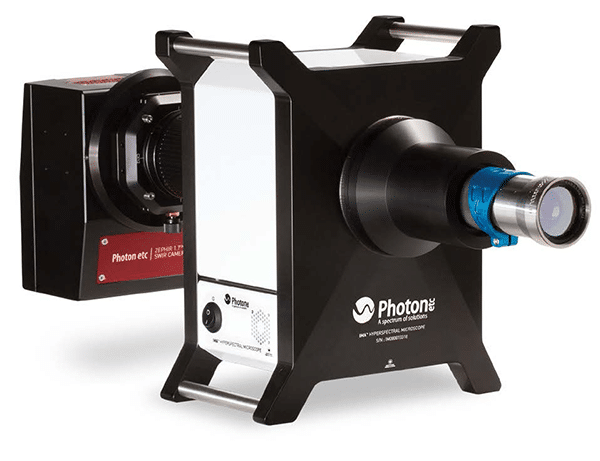
Zephir 2.5e Hyperspectral Camera
Extended-SWIR hyperspectral imaging option for applications requiring spectral response beyond standard InGaAs SWIR cameras, including material analysis, research imaging, and semiconductor-related inspection tasks.
Zephir SWIR Hyperspectral System
SWIR hyperspectral imaging platform for material identification, inspection, and spectral imaging workflows that require wavelength-dependent contrast from approximately 900 to 1700 nm.
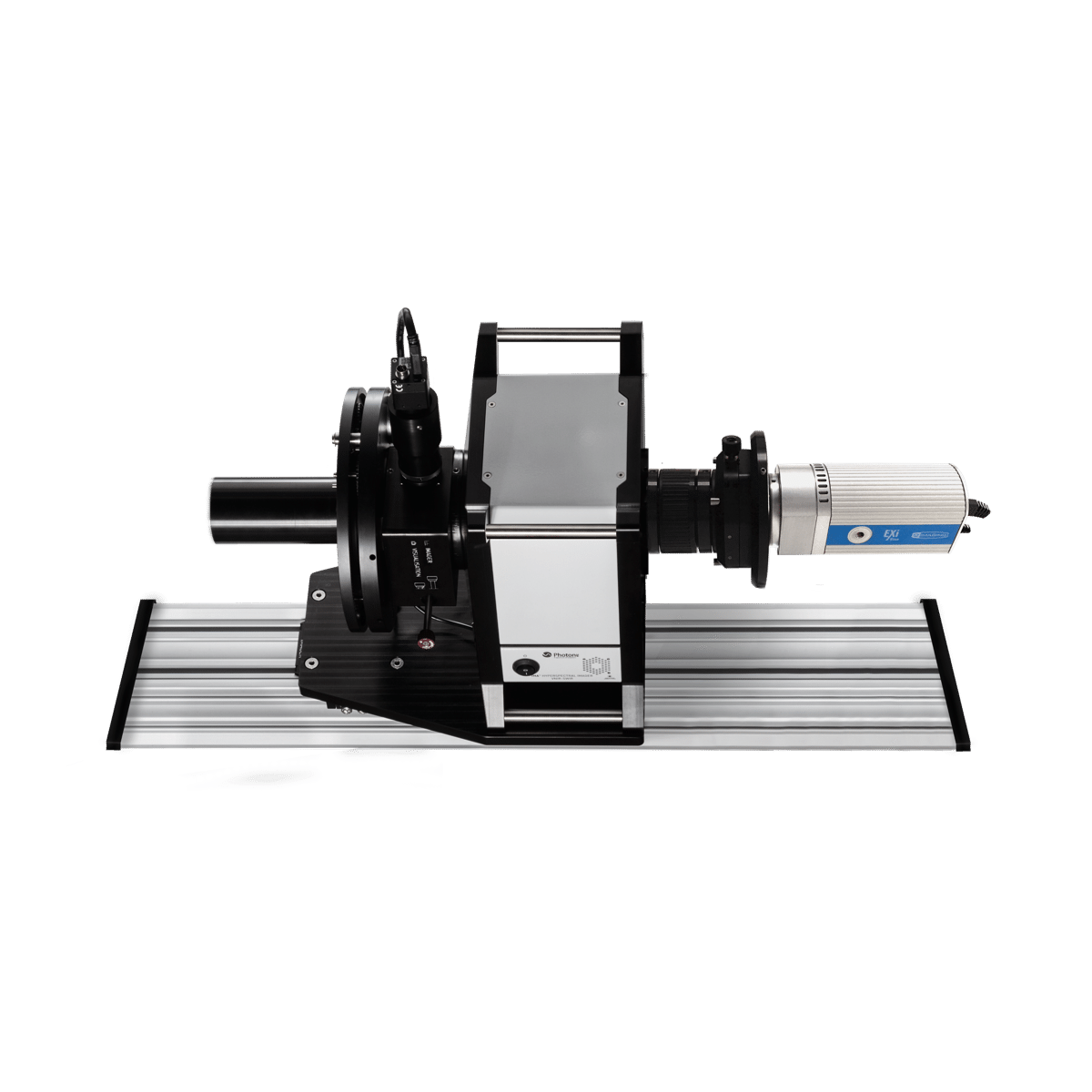
VNIR Hyperspectral Imaging System (400-1000 nm)
VNIR hyperspectral imaging system for visible-to-near-infrared spectral analysis, vegetation studies, food inspection, biomedical research, and general material classification.
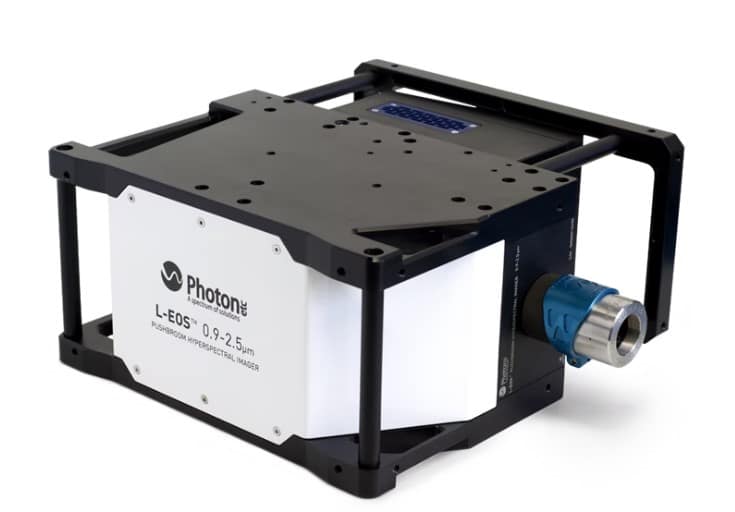
Pushbroom / Line-Scan Hyperspectral Camera
Pushbroom and line-scan hyperspectral imaging configuration for conveyor inspection, scanning stages, laboratory measurement, and high-quality spectral data cubes.
Compact / High-Speed Hyperspectral Camera
Compact spectral imaging option for OEM integration, high-speed studies, multispectral screening, and applications where small form factor and rapid acquisition are important.
Hyperspectral Product Datasheet Links
This table gives visitors and engineers a direct way to reach product details, datasheet PDFs, and application support from one section of the page.
| Product / System | Category | Datasheet | Next Step |
|---|---|---|---|
| Zephir 2.5e Hyperspectral Camera | SWIR / Extended SWIR | Datasheet (PDF) → | Discuss Application → |
| Zephir SWIR Hyperspectral System | SWIR | Datasheet (PDF) → | Discuss Application → |
| VNIR Hyperspectral Imaging System (400-1000 nm) | VNIR | Datasheet (PDF) → | Discuss Application → |
| Pushbroom / Line-Scan Hyperspectral Camera | Pushbroom / Line-Scan | Datasheet (PDF) → | Discuss Application → |
| Compact / High-Speed Hyperspectral Camera | Snapshot / Compact | Datasheet (PDF) → | Discuss Application → |
Why Contact Pembroke Before Choosing a Hyperspectral Camera?
Hyperspectral imaging performance depends on much more than the camera model. The correct system depends on wavelength range, sample type, illumination, spatial resolution, spectral resolution, acquisition geometry, and how the data will be analyzed.
Material or Chemical Contrast
We help determine whether visible, VNIR, SWIR, or extended SWIR wavelengths are most likely to show useful contrast for your sample.
Snapshot vs. Pushbroom
We help decide whether you need single-exposure capture, a scanning stage, conveyor-based line-scan acquisition, or a laboratory benchtop workflow.
Optics and Illumination
We help match field of view, working distance, lens selection, illumination geometry, and sample presentation to your measurement objective.
Software and Data
We help review acquisition, calibration, data cube handling, classification workflow, and integration needs before you purchase equipment.
What Is Hyperspectral Imaging?
Hyperspectral imaging combines imaging and spectroscopy. Instead of recording only a grayscale or color image, a hyperspectral camera captures spatial information and spectral information together, producing a data cube with two image dimensions and one wavelength dimension. This allows users to identify materials, measure subtle spectral differences, and classify objects based on optical signatures.
Why Use Hyperspectral Imaging?
- Detect material differences invisible to standard cameras.
- Map composition, moisture, coatings, contaminants, or defects across a field of view.
- Classify materials using wavelength-dependent reflectance, transmission, or emission signatures.
- Improve inspection reliability when visible contrast is not sufficient.
Common Wavelength Ranges
- Visible / VNIR: color, vegetation, biomedical, surface features, and general classification.
- NIR: agriculture, food inspection, moisture, and biological imaging.
- SWIR: polymers, minerals, semiconductors, coatings, water content, and material identification.
- Extended SWIR: applications requiring sensitivity beyond standard InGaAs cameras.
Hyperspectral Imaging Applications
Hyperspectral imaging is valuable when spectral contrast provides information that standard visible, NIR, SWIR, or thermal cameras cannot provide alone. Pembroke Instruments helps match the camera architecture and wavelength range to the measurement objective.
Material Identification
Identify plastics, minerals, coatings, powders, composites, and other materials using spectral signatures in visible, NIR, and SWIR bands.
Discuss material ID →
Food and Agriculture
Inspect produce, detect defects or contamination, evaluate moisture, and support precision agriculture or drone-based vegetation analysis.
Discuss food/agriculture →Mining and Geology
Map minerals, scan drill cores, classify rock types, and support exploration workflows using SWIR spectral information.
Discuss geology setup →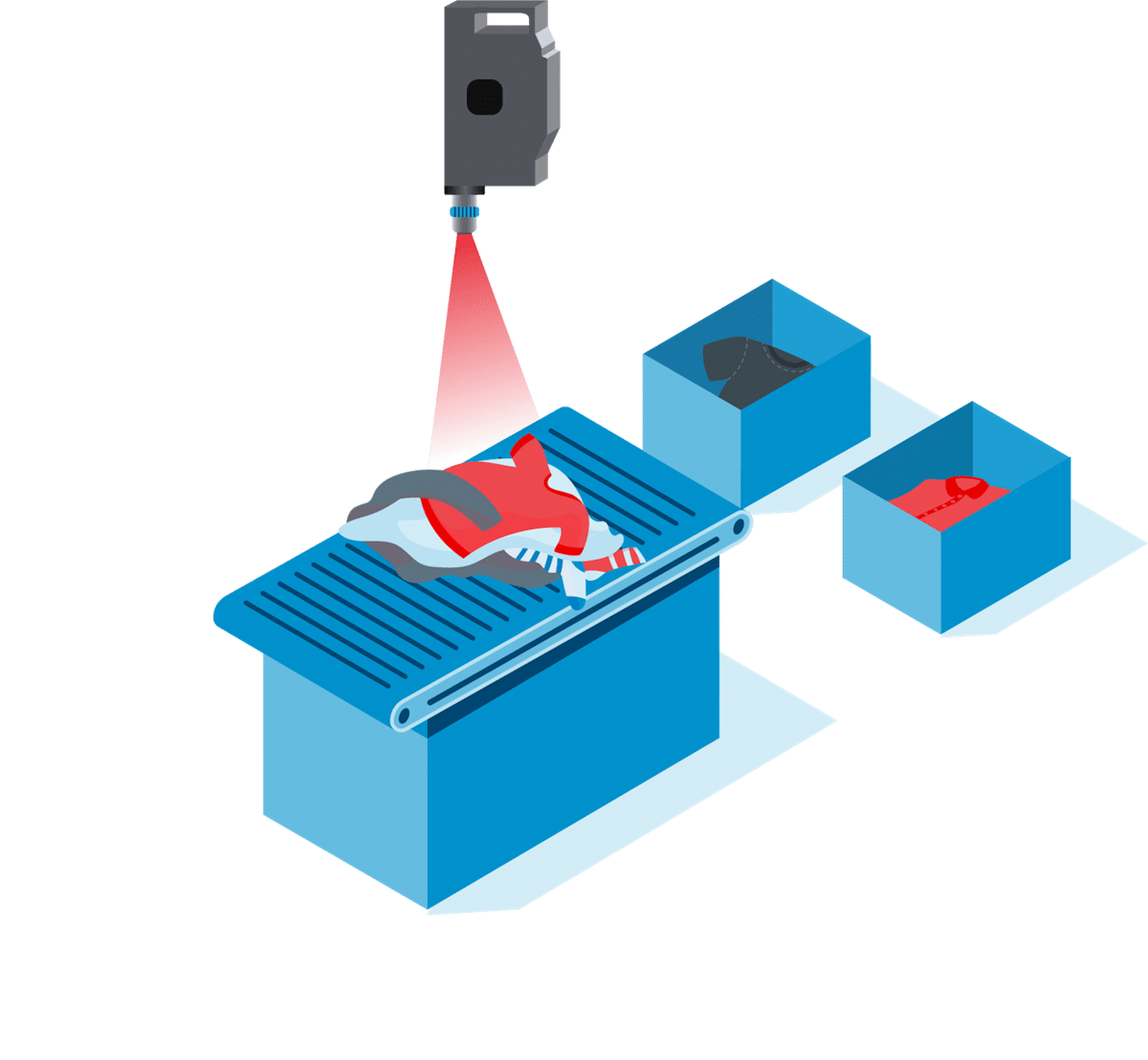
Recycling and Sorting
Separate materials that look similar in visible light but have different spectral responses, including polymers and industrial materials.
Discuss sorting →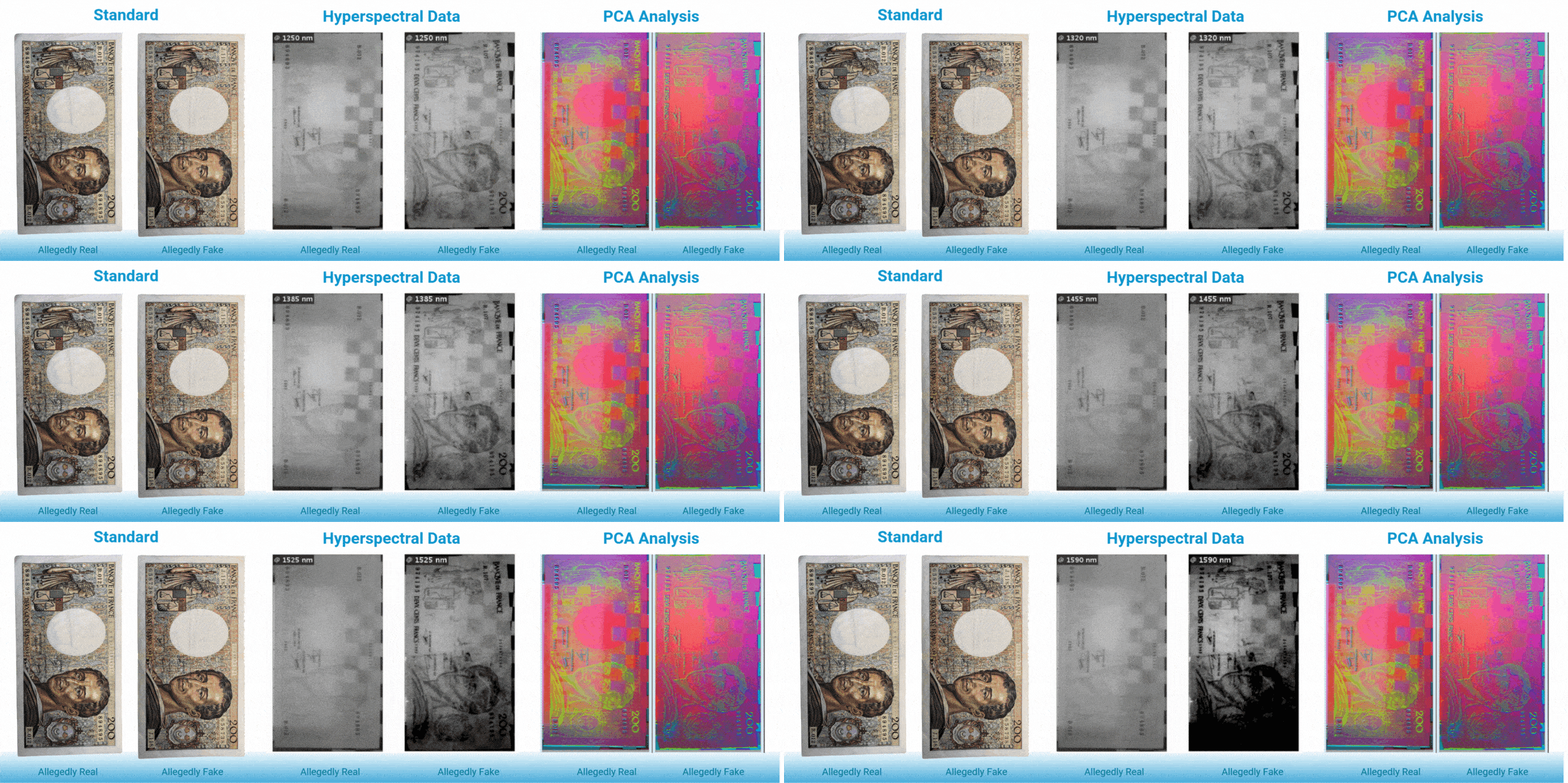
Semiconductor and Industrial Inspection
Use SWIR and extended SWIR hyperspectral imaging for inspection, analysis, and material contrast in advanced manufacturing environments.
Discuss inspection →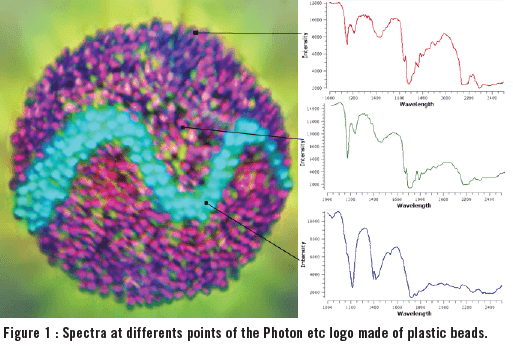
Biomedical and Research Imaging
Support laboratory research where spectral imaging can reveal contrast associated with tissue, chemistry, fluorescence, or biological samples.
Discuss research setup →How to Select the Right Hyperspectral Camera
The best hyperspectral imaging system depends on the material, wavelength range, scene motion, spatial resolution, spectral resolution, illumination, optics, software, and integration requirements. A camera that is excellent for drone imaging may not be the best choice for laboratory material analysis or conveyor inspection.
Choose Snapshot When You Need
- Single-exposure spectral image capture
- Imaging of moving objects or dynamic scenes
- Compact integration into drones or machine vision systems
- Simpler mechanical setup without a scanning stage
Choose Pushbroom / Line-Scan When You Need
- High spectral resolution and controlled scanning
- Conveyor, line-scan, or stage-based acquisition
- Detailed material classification and mapping
- Laboratory or industrial inspection workflows
Not Sure Which Hyperspectral System Fits Your Application?
Describe your measurement goal and Pembroke Instruments will help narrow the camera family, wavelength range, optics, illumination, and software workflow. This is the fastest way to avoid selecting the wrong architecture or wavelength range.
- Material identification or classification
- Food, agriculture, geology, recycling, semiconductor, biomedical, or industrial inspection
- Snapshot, pushbroom, line-scan, benchtop, or OEM integration
- VNIR, SWIR, or extended-SWIR requirements
Request a Recommendation
Use the form below and include your wavelength range, sample type, field of view, and application goal.
Hyperspectral Imaging Request
Send in your requests for informaation