
Hyperspectral Imaging Applications
Hyperspectral imaging helps researchers, engineers, and technical teams analyze materials, chemistry, and process conditions with spatially resolved spectral data. This applications page shows how hyperspectral imaging systems from Pembroke Instruments support material and chemical identification, agriculture, forensics, pharmaceutical and biomedical imaging, and recycling and sorting.
If you are evaluating a new system, explore the snapshot hyperspectral camera products section for fast acquisition, compact integration, and real-time spectral imaging workflows.

Material and Chemical Identification
Use hyperspectral imaging to identify materials and chemical differences that are difficult to detect with conventional visible imaging.
Material and chemical identification is one of the most important hyperspectral imaging applications because spectral data can distinguish plastics, minerals, coatings, and chemically distinct regions across a sample. This makes hyperspectral imaging useful for laboratory analysis, industrial R&D, incoming material verification, and advanced inspection.
- Plastic and polymer identification
- Mineral and material classification
- Chemical composition mapping
- Research and laboratory analysis

Agricultural Imaging
Measure crop condition, plant variability, and moisture-related spectral contrast with hyperspectral imaging.
Agricultural hyperspectral imaging supports crop monitoring, vegetation analysis, moisture evaluation, and field or greenhouse research. By capturing spectral information across the scene, hyperspectral systems can reveal differences in plant condition and sample uniformity that standard RGB imaging can miss.
- Crop monitoring and classification
- Vegetation index analysis
- Moisture and stress detection
- Research and remote sensing workflows
Forensics
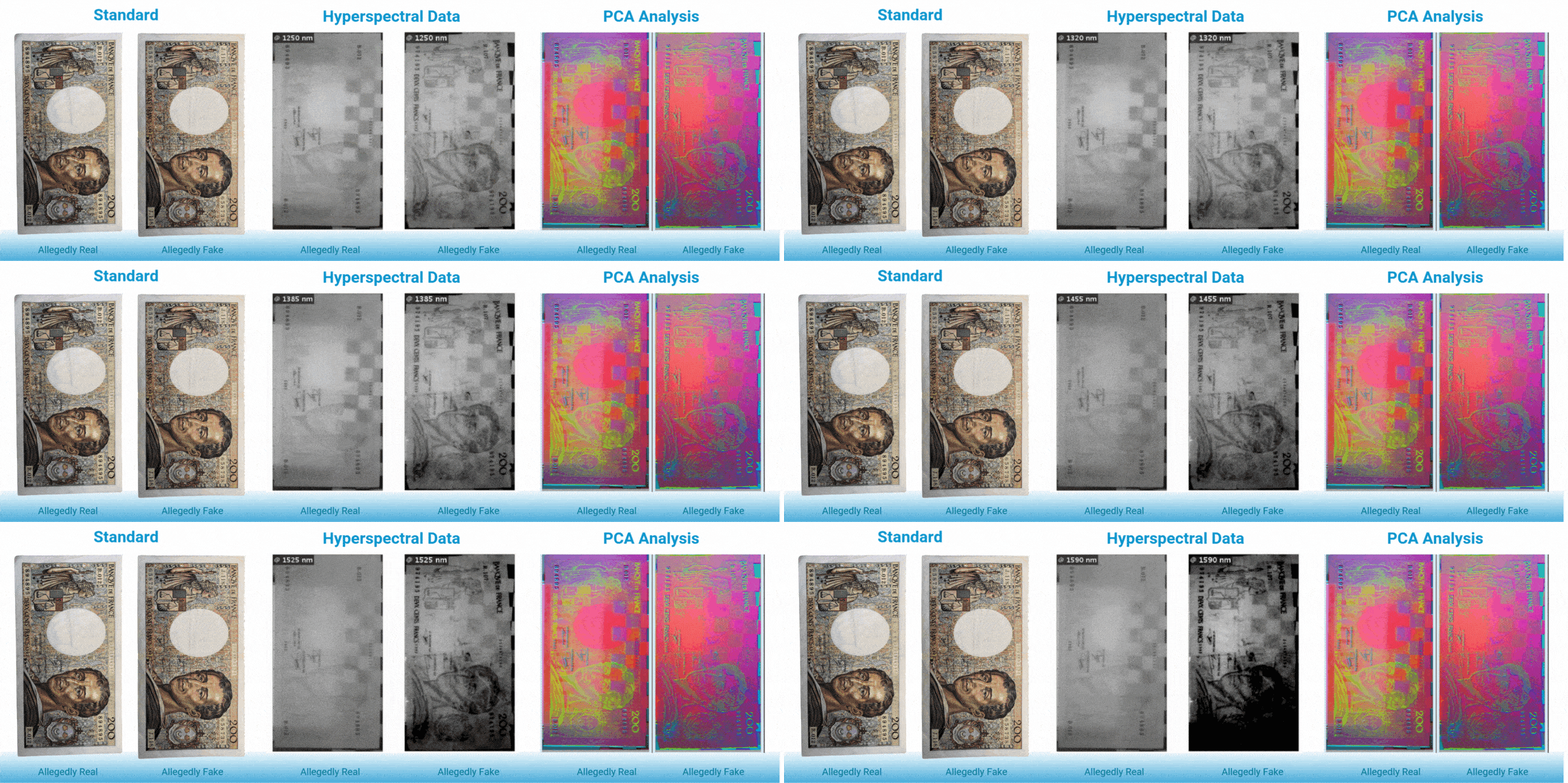
Reveal spectral differences in documents, surfaces, and evidence for forensic analysis and counterfeit detection.
Forensic hyperspectral imaging is valuable when investigators need more than visible contrast. It can help distinguish inks, identify counterfeit features, compare surface differences, and support evidence review in analytical laboratory environments.
- Counterfeit and document analysis
- Ink differentiation
- Evidence inspection
- Analytical forensic workflows

Pharmaceutical and Biomedical
Support non-destructive chemical imaging for pharmaceutical analysis, biomedical research, and spectrally resolved sample evaluation.
Pharmaceutical and biomedical hyperspectral imaging is useful for coating analysis, active ingredient distribution studies, biomedical sample evaluation, and microscope-based research. Spatially resolved spectral data helps users analyze samples without relying only on visible contrast.
- Tablet and coating inspection
- API distribution studies
- Biomedical sample analysis
- Laboratory and microscope-based imaging
Recycling and Sorting
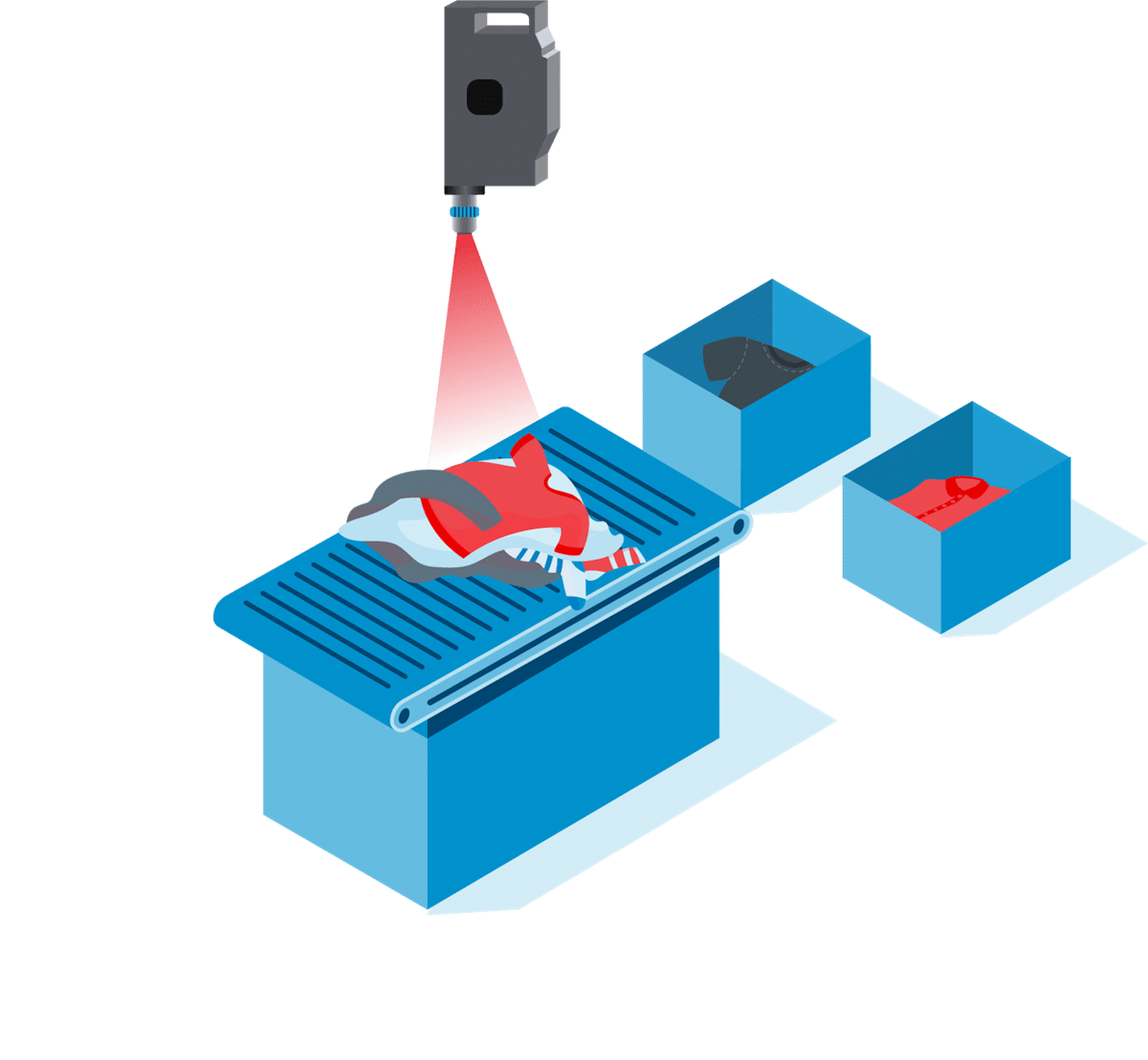
Improve recycling and sorting decisions by classifying materials based on spectral information rather than visible appearance alone.
Hyperspectral imaging for recycling and sorting can help distinguish mixed materials that look similar to conventional cameras. This supports automated classification, material separation, food and industrial inspection, and broader process monitoring tasks where chemistry matters.
- Plastic and textile sorting
- Material separation workflows
- Food and industrial inspection
- Process monitoring and classification
Looking for a complete system overview? Visit the main SWIR hyperspectral imaging product page or jump directly to the snapshot hyperspectral cameras section.